Handheld Red Light Therapy Devices: A Simple Way to Support Recovery at Home
Most people don’t notice how often pain and stiffness build up in daily life—until it becomes hard to ignore. Neck tension from long hours at a desk, sore knees after workouts, or that familiar tightness in the lower back.
We usually turn to quick fixes like pain relief gels or medication, but they rarely solve the real issue underneath: ongoing inflammation in the tissue.
That’s where handheld red light therapy devices come in. Instead of masking discomfort, they aim to support your body’s natural recovery process at a cellular level.
What Are Handheld Red Light Therapy Devices?
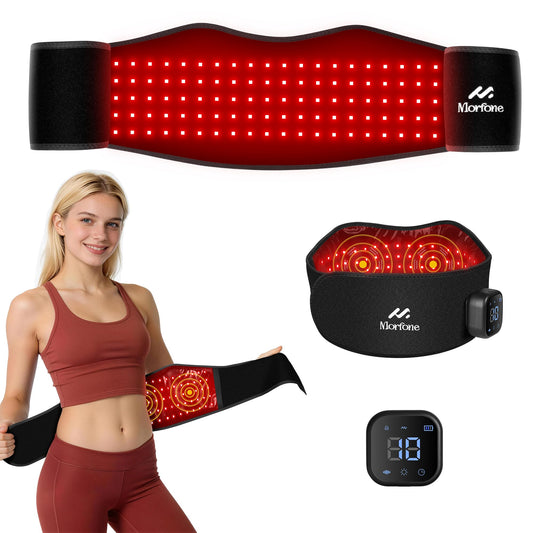
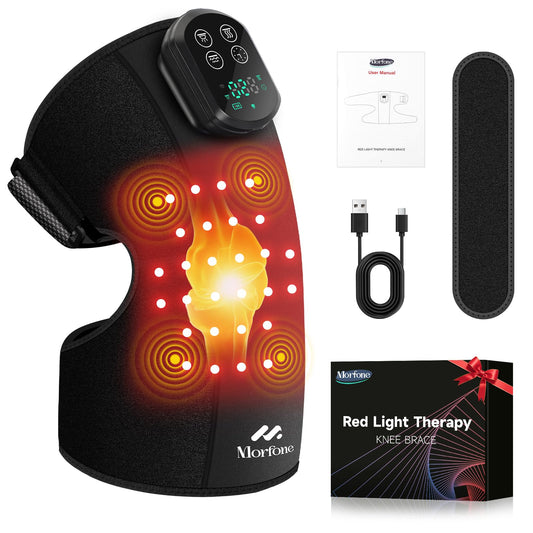
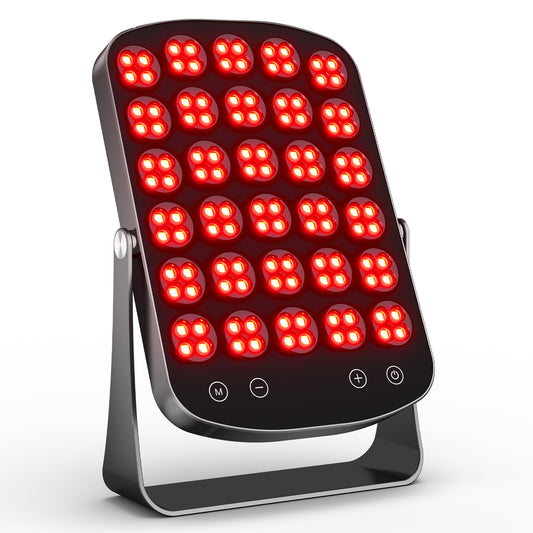
These are compact devices designed to deliver red and near-infrared light directly to specific areas of the body. Unlike large panels, they’re made for one thing: focusing treatment exactly where you need it.
- Use it on stiff shoulders after work
- Target knee discomfort after running
- Apply it to lower back tightness anytime
It’s not a full-body system. It’s more like a personal recovery tool you can use whenever something starts to feel off.
How Light Supports the Body’s Recovery Process
At a basic level, your cells rely on energy to repair themselves. That energy comes from mitochondria, often called the “power units” inside cells.
When red and near-infrared light reach the tissue, they help stimulate this energy production process. Over time, this can support:
- Better cellular energy production
- Reduced inflammatory response
- Improved local circulation
It’s not an instant effect. It’s more about consistent support over time.
Why Handheld Devices Feel Different
One of the biggest advantages is control. You’re not treating a large area—you’re focusing exactly where discomfort is coming from.
This makes handheld devices more practical for daily use. No setup. No waiting. Just use it when needed.
Common Areas People Use It On
- Neck and shoulder tension from desk work
- Knee stiffness after activity
- Lower back tightness from long sitting
- Muscle soreness after training
How to Use It Properly
- 10–15 minutes per area
- 4–7 times per week for consistency
- Keep device close to skin for best effect
The key isn’t intensity—it’s consistency.
Handheld vs Larger Devices
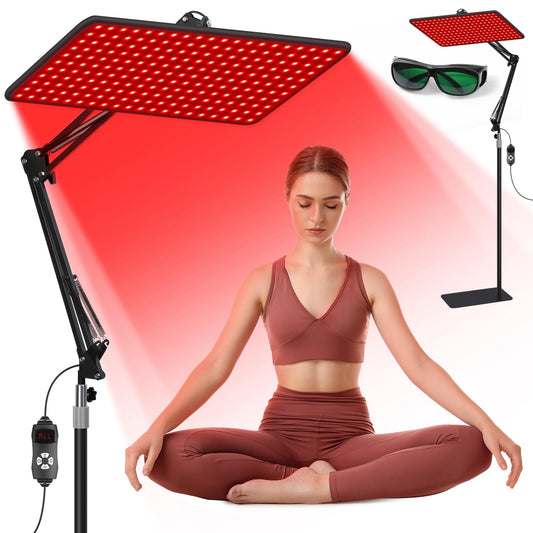
Large panels are better for full-body exposure, but handheld devices are often more realistic for daily life.
- Handheld: targeted, flexible, easy to use
- Panel: broad coverage, less portable
For most people starting out, handheld is simply easier to stick with.
FAQ
Most people report gradual improvements within a few weeks of consistent use.
Yes, daily use is common as long as sessions are kept within recommended time.
Red light therapy is non-invasive and generally considered safe when used correctly.
Final Thoughts
Handheld red light therapy devices aren’t about quick fixes. They’re about giving your body consistent support so it can recover more naturally over time.
For people dealing with recurring discomfort or simply looking for a more convenient recovery tool, they offer a simple and practical option that fits into everyday life.