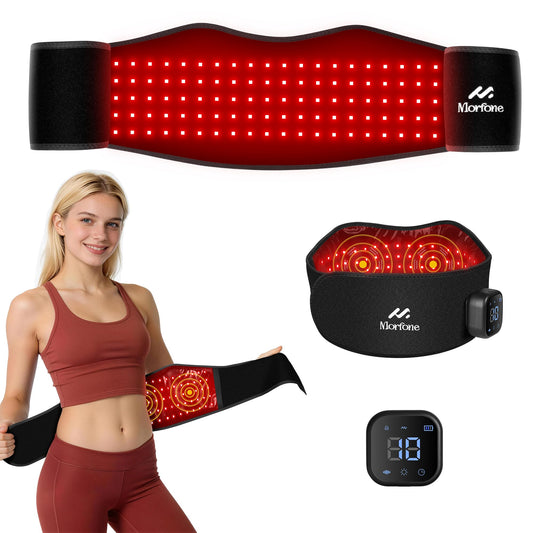
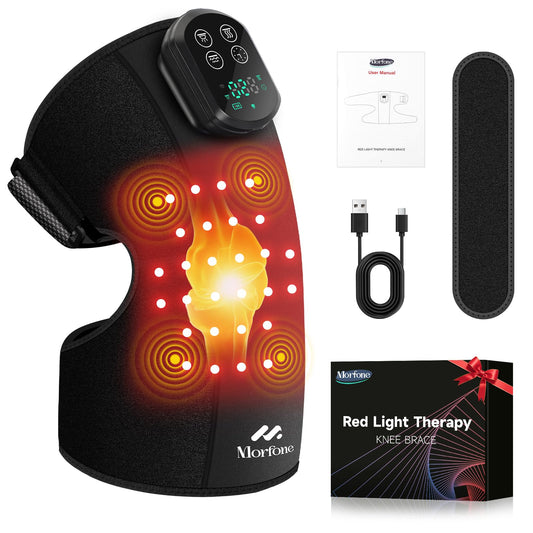
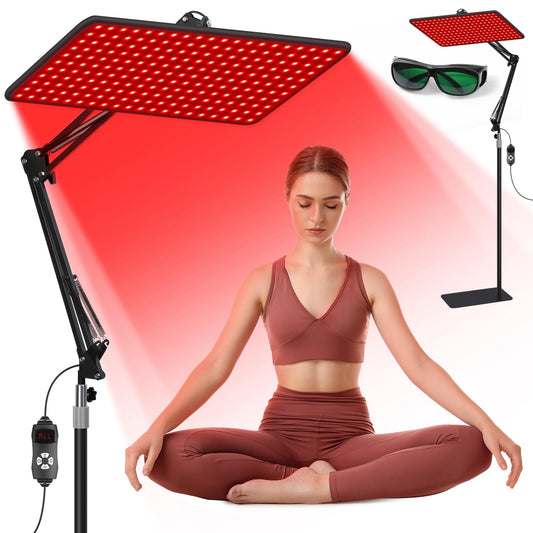
The Science of Deep Healing: How Red Light Therapy "Shuts Off" Chronic Inflammation
We’ve all been there: staring at a bottle of Ibuprofen after a long day, wondering if there’s a way to stop the throbbing in your lower back or the stiffness in your knees without constant medication. Traditional treatments often feel like a game of "whack-a-mole"—you numb the pain for a few hours, but the underlying inflammation remains.
But what if you could talk directly to your cells and tell them to start repairing? This isn't just "shining a light" on your skin; it’s a biological intervention known as Photobiomodulation (PBM).
Mitochondria: The "Power Plant" Inside Your Cells
To understand how light heals, we have to go microscopic. Inside nearly every cell in your body are mitochondria—the battery packs responsible for creating energy. When you have chronic inflammation, these "batteries" run low. A specific enzyme called Cytochrome c Oxidase (CCO) becomes blocked, slowing down your cellular metabolism and leaving your tissues stuck in a cycle of pain.
By boosting ATP (Adenosine Triphosphate), you are essentially giving your cells the "cash" they need to fund repairs, flush out toxins, and turn off the inflammatory signaling that causes pain.
The Wavelength Blueprint: Why 660nm, 850nm, and 940nm?
Not all light is created equal. To reach deep-seated inflammation in muscles and joints, you need specific wavelengths that can penetrate human tissue effectively:
- 660nm (Visible Red): Your "skin specialist." Perfect for surface-level issues like redness and minor wound healing.
- 850nm (Near-Infrared): The "tissue repairer." Dives 2–3 inches deep to reach tendons and ligaments.
- 940nm (Deep Infrared): The "heavy lifter." Penetrates even deeper into dense muscle mass and joint capsules, boosting local circulation.
How to Master Your At-Home Therapy
Consistency is the key to structural change. Think of it more like a workout for your cells:
- The 10-20 Minute Rule: This is the "sweet spot." Over-irradiating can lead to cellular fatigue, while under-doing it won't trigger the repair response.
- Pulse Mode for Deep Relief: For neurological pain or deep inflammation, "Pulse Mode" provides higher peak power without the risk of tissue overheating.
FAQ: What Users Often Ask
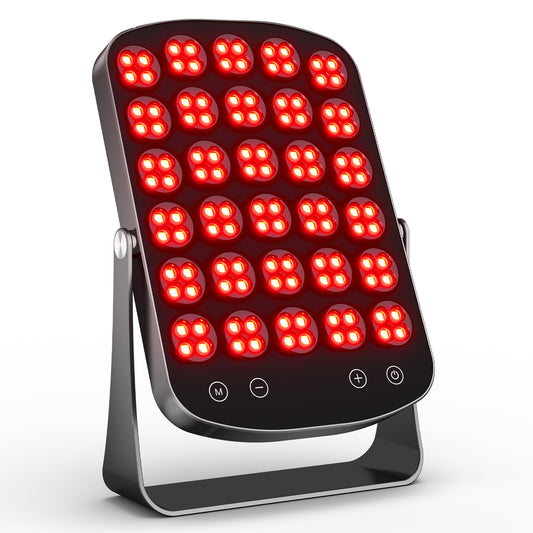
Don't worry, your device isn't broken. The 850nm and 940nm wavelengths are invisible to the naked human eye. You can verify they are working by looking at the panel through your phone’s camera.
While some feel immediate warmth and reduced stiffness, the structural anti-inflammatory benefits typically take 4 to 8 weeks of consistent use.
Scientific References
- • Hamblin, M. R. (2017). Mechanisms and mitochondrial redox signaling in photobiomodulation. Photochemistry and Photobiology.
- • Chow, R. T., et al. (2009). Efficacy of low-level laser therapy in the management of neck pain. The Lancet.
- • Ash, C., et al. (2017). Effect of wavelength on light penetration in light-activated therapy. Lasers in Medical Science.