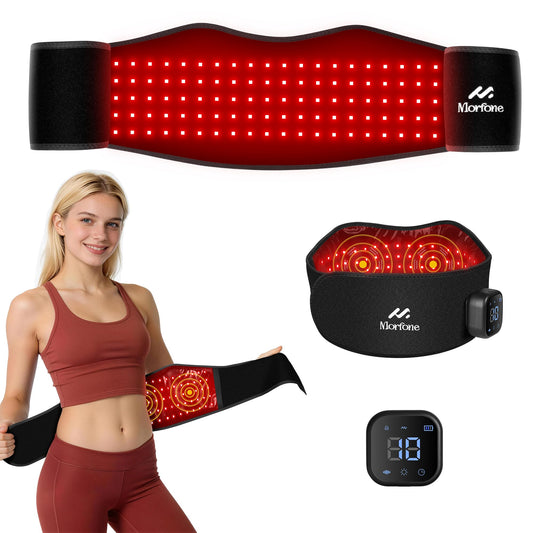
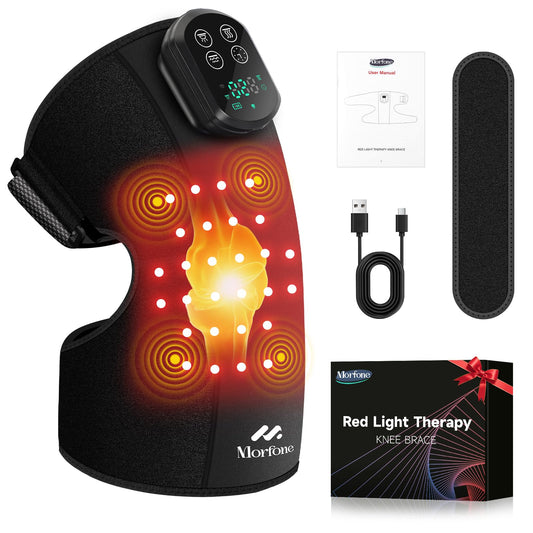
Red Light Therapy for Back Pain: Does It Really Help?
Back pain is one of those issues most people don’t think about—until it starts affecting daily life. Sitting too long at a desk, poor posture, workouts, or even stress can all build up tension in the lower back.
For many, the usual solutions are temporary: stretching, pain relief gels, or medication. They may reduce discomfort for a while, but the pain often returns.
This is why more people are now exploring red light therapy for back pain as a long-term support method rather than a quick fix.
Why Back Pain Keeps Coming Back
Most recurring back pain is not caused by a single injury. Instead, it is usually linked to:
- Muscle tightness from long sitting hours
- Poor blood circulation in the lower back
- Chronic low-level inflammation
- Weak recovery after physical strain
These factors build up over time, which is why short-term solutions often don’t fully resolve the issue.
How Red Light Therapy Works on Back Pain
Red and near-infrared light interact with cells in a very specific way. Instead of blocking pain signals, they support the body’s natural recovery process.
At the cellular level, mitochondria use light energy to produce ATP, which is the energy source cells need for repair.
More energy means better recovery function, including improved circulation and reduced inflammatory response.
What People Usually Notice Over Time
With consistent use, users often report:
- Less stiffness in the morning
- Reduced tension after long sitting
- Improved mobility in the lower back
- Gradual decrease in recurring discomfort
It is not an instant effect, but more of a gradual improvement over weeks.
How to Use Red Light Therapy for Back Pain
- 10–15 minutes per session
- 1–2 times per day
- Keep the device close to the lower back area
- Use consistently for at least 2–6 weeks
Consistency matters more than intensity.
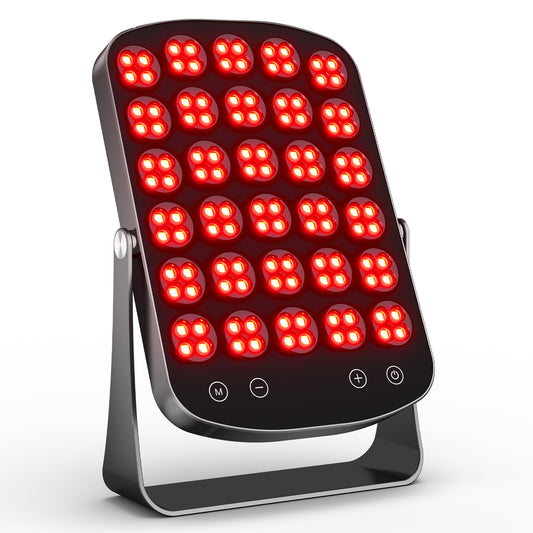
View Morfone Handheld Red Light Therapy Device
Many people prefer this format because it allows you to directly target the lower back anytime, even while resting at home.
Handheld vs Larger Panels for Back Pain
- Handheld devices: Best for targeting specific pain points like lower back
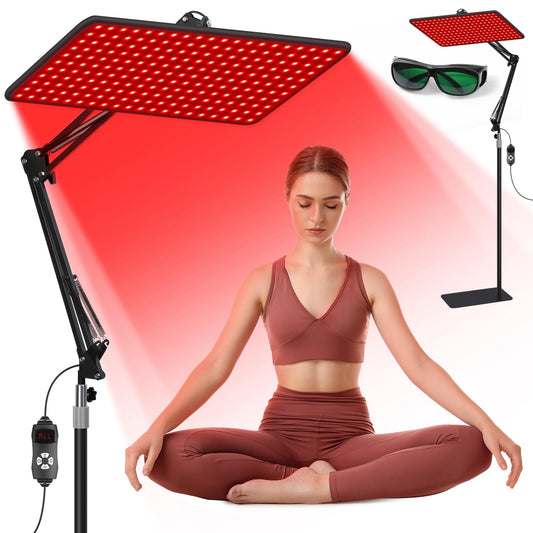
- Panel devices: Better for full back or full-body exposure
For most people starting with back pain, handheld use is often more practical for daily routines.
Who May Benefit Most
- Office workers with long sitting hours
- People with recurring lower back tightness
- Light to moderate chronic discomfort cases
- Fitness enthusiasts recovering from strain
Severe structural injuries should always be evaluated by a medical professional.
FAQ
Some people notice changes within a few weeks, but consistent use is key for long-term results.
No. It is a supportive recovery tool, not a replacement for medical treatment.
Yes, red light therapy is non-invasive and commonly used daily when following proper session time.
Final Thoughts
Back pain is rarely solved overnight. It usually requires consistent support to improve how the body recovers and manages inflammation.
Red light therapy is not a quick fix, but for many people, it becomes part of a simple daily routine that helps reduce discomfort over time and improve mobility.